


Camel wool is a material known for its incredible warmth, softness, and durability. But where does this amazing wool actually come from? In this blog post, we will dive into the fascinating process that transforms raw camel wool into the pure, luxurious product we know and love.
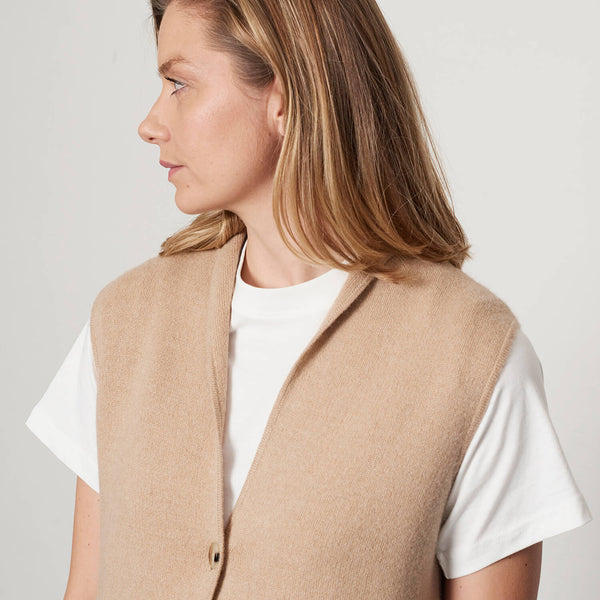
See all our camel wool products here.
What is camel wool?
Camel wool is a type of wool that comes from camels. It differs from other types of wool in several ways. Firstly, it is incredibly warm—in fact, it is up to three times warmer than sheep's wool. It is also incredibly soft and durable, making it ideal for a range of different textile products.
The role of the camel
Camels play a central role in the production of camel wool. Camels live in some of the harshest and driest areas in the world, and their wool is designed to protect them from these extreme conditions. This contributes to the wool's unique properties, including its warmth and durability.
Harvesting camel wool
Harvesting camel wool is a process that requires care and respect for the animal. It is typically done in the spring, when camels naturally shed their winter coats. The wool is harvested by gently brushing the camel, a process that is both comfortable for the camel and ensures that the wool is of the highest quality.
From raw wool to pure camel wool
After harvesting, camel wool undergoes a series of processes to be cleaned and prepared for use. This includes washing, carding (a process that separates and straightens the wool fibers), and spinning into yarns. These yarns can then be woven or knitted into fabric.
The importance of camel wool in the textile industry
Camel wool is a valuable resource in the textile industry. It is used to make a range of products, including carpets, scarves, sweaters, and coats. Camel wool also has significant economic and cultural importance in many parts of the world, particularly in countries where camels are a central part of life.
Understanding where pure camel wool comes from is not just an interesting journey into a unique production process. It is also a reminder of the incredible adaptability of nature and the importance of sustainable production methods. The next time you touch a product made from camel wool, remember the amazing journey it has taken from camel to finished product.
Sources and references
"Camel Hair" Encyclopedia Britannica. https://www.britannica.com/topic/camel-hair
"Camel Hair: Properties, Uses, and Production" Textile School –https://www.textileschool.com/171/camel-hair/
