


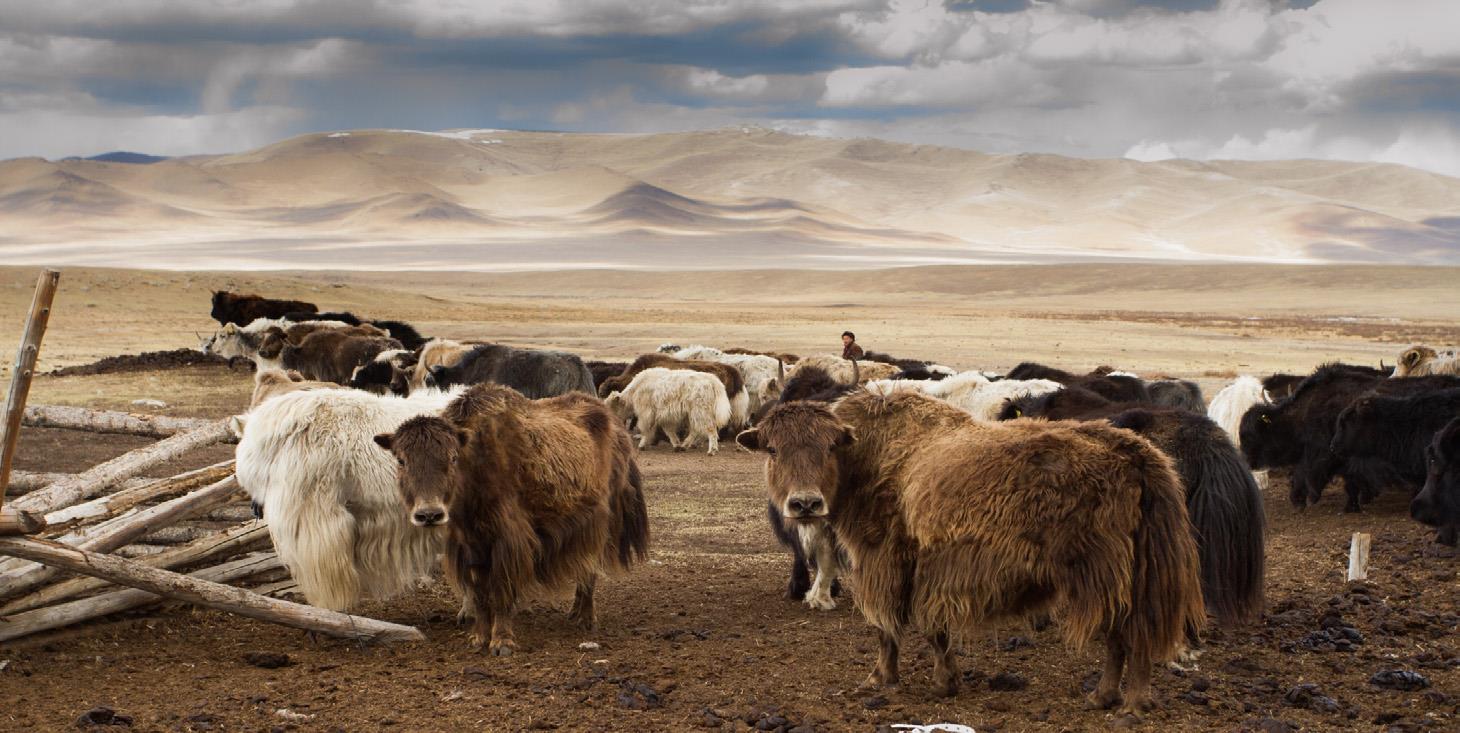
When it comes to luxurious natural fibers, yak wool, cashmere, and camel wool are three types of wool that are often highlighted for their exclusivity, softness, and warmth. But what actually distinguishes them from each other, and how do you choose the wool that best suits your needs? Here we dive into the differences between yak wool, cashmere, and camel wool, so you can find the perfect match for your style, comfort, and sustainability awareness.
Softness – Which wool feels the most luxurious?
Softness is a crucial factor when considering luxury textiles, and here yak wool, cashmere, and camel wool are all top-class. But there are nuances that distinguish them:
Yakuld
Yak wool is surprisingly soft, especially considering the harsh climate it comes from. The fibers in yak wool can actually be as soft as cashmere, and many find yak wool less scratchy than both sheep's wool and other more common types of wool. Yak wool's natural sheen and smooth texture make it a favorite among those who want a soft but durable material.
Kashmir
Kashmir is world-renowned for its ultimate softness. The fibers are extremely fine, giving it a silky feel against the skin. It is the type of wool most often associated with pure luxury and exclusivity, but also one of the most delicate, meaning that it requires special care to maintain its softness over time.
Camel wool
Camel wool has a natural softness that is similar to cashmere, but its fibers are slightly thicker, giving it a slightly more textured feel. However, it still feels incredibly soft against the skin and is known for its ability to remain soft even after prolonged use.
Conclusion: If you want ultimate softness, cashmere is hard to beat. But yak wool gives you almost the same luxurious feel with the added benefit of greater durability.
Heat and insulation – Which wool keeps you warmest?
When it comes to warmth, yak wool, cashmere, and camel wool are all excellent "insulators," but they each have their own strengths:
Yakuld
Yak wool is one of the best materials for extreme thermal insulation. Yak oxen live in some of the world's coldest climates, and their fur is designed to protect them from the freezing temperatures of the high plateaus of Central Asia. The fibers in yak wool are hollow, which makes them extremely effective at trapping and retaining heat while allowing the skin to breathe. This makes yak wool ideal for those who need a material that can both warm and regulate temperature.
Kashmir
Cashmere is also excellent at retaining heat, especially because the fibers are so dense and fine. It works well as an insulating layer, making it a great choice for winter clothing. However, because cashmere is so lightweight, it can be less effective in extreme cold unless worn as an extra layer.
Camel wool
Camel wool is known for its ability to adapt to changing temperatures. Like yak wool, camel wool has hollow fibers that make it great for insulating against the cold. At the same time, camel wool has a unique temperature-regulating property that also makes it suitable for warmer climates, where it keeps the body cool.
Conclusion: If you need maximum warmth and insulation in extreme conditions, yak wool is a safe choice. Camel wool is the best choice for those who want a versatile wool for both cold and warmer climates, while cashmere works well as a luxurious layer for milder winters.
Sustainability – Which type of wool is the most ethical choice?
At a time when sustainability is in focus, it is important to choose materials that not only feel good, but are also good for the planet.
Yakuld
Yak wool is harvested when the yak sheds its wool naturally in the spring, making the process gentle and ethical. Yak wool production is often part of nomadic traditions in Central Asia, which means that buying yak wool often supports small local communities. Yak wool requires no harmful chemicals in its production and is naturally biodegradable, making it one of the most sustainable choices.
Kashmir
Cashmere is a luxury product, but its production can have environmental consequences. The increasing demand for cashmere has led to overgrazing in some areas, damaging local ecosystems. When choosing cashmere, it is important to ensure that it comes from responsible producers who take both animal welfare and environmental impact into account.
Camel wool
Camel wool is also harvested sustainably, as camels naturally shed their coats. Camel wool requires no harmful processing and is biodegradable. It typically comes from areas where camels are an integral part of the lives of local nomadic communities, making camel wool a sustainable and ethical choice.
Conclusion: Yak wool is the most sustainable choice, followed by camel wool, which also has a low environmental footprint. If you choose cashmere, it is important to choose from responsible producers.
Durability – Which wool lasts the longest?
When investing in luxury clothing, it is important that it lasts a long time and retains its quality.
Yakuld
Yak wool is incredibly durable and hard-wearing, making it an ideal choice for those who want clothing that will last for many years. The fibers are naturally elastic and strong, which means that yak wool does not lose its shape or pill as quickly as other types of wool.
Kashmir
Cashmere is soft and delicate, which means it requires more careful care. Although it is a luxurious material, it can be less durable than yak and camel wool and tends to pill over time.
Camel wool
Camel wool is also durable and retains its shape well over time. It is a naturally elastic material, which makes it resistant to stretching and wear while retaining its softness.
Conclusion: Yak wool is the most durable choice, while camel wool is also a strong material that lasts a long time. Cashmere requires more careful care and has a shorter lifespan if not properly cared for.
Which type of wool is best for you?
Your choice of wool depends on what you are looking for in your clothing. If you want a sustainable and durable material that provides superior warmth and comfort, **yak wool** is the obvious choice. If, on the other hand, you want a luxurious and extremely soft material for special occasions, **cashmere** is hard to beat. For those who want a versatile and sustainable wool that can be used in both cold and warm climates, camel wool is the perfect choice.
Yak wool, cashmere, or camel wool—whatever you choose, you'll be wearing a piece of nature's luxury close to your skin.