


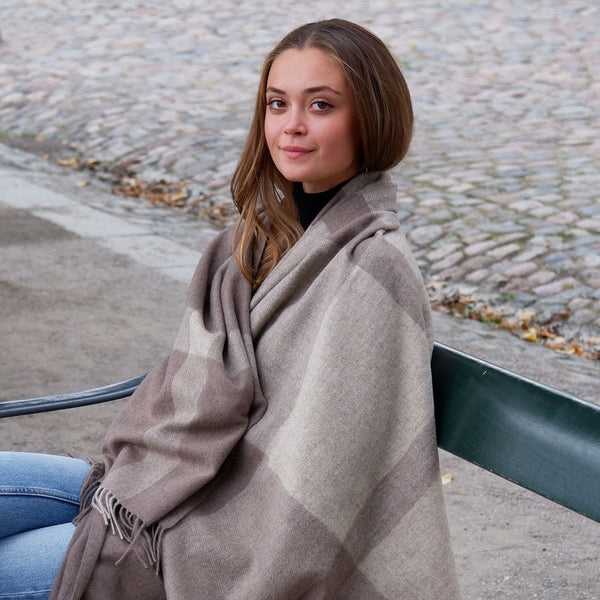
As the winter cold sets in during the colder months of the year, many of us look for clothing that can keep us warm and comfortable. The problem, however, is that many of the traditional materials are either not warm enough or have a negative impact on the environment.
The solution is yak wool.
Yak wool clothing offers an unmatched combination of warmth, breathability, and environmental friendliness. This natural material comes from yak oxen that live in the harsh climate of the Himalayas.
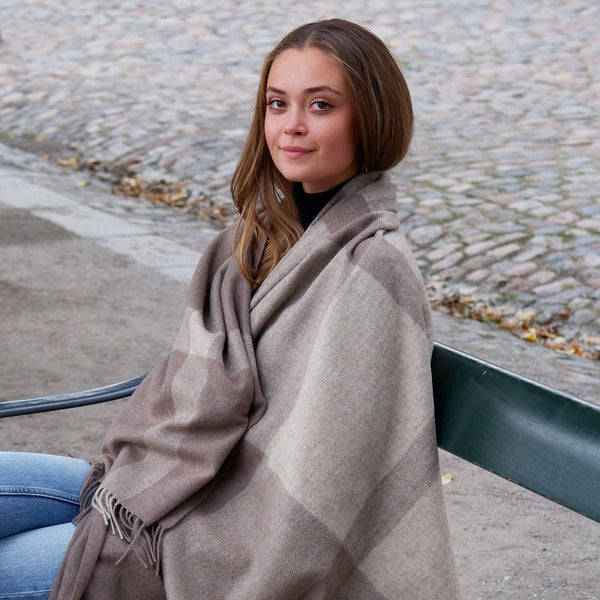
See all clothing in yak wool here.
The origin of yak wool
Living in the challenging and cool heights of the Himalayas, Tibet, and Mongolia, yaks have developed extremely warm and insulating wool to survive. This natural material, which has served local communities for millennia, has now become a valuable resource in the manufacture of high-quality clothing. The unique structure of yak wool, with its high insulating capacity and breathability, is due to the harsh living conditions to which yak oxen have adapted at these altitudes.
The fibers combed from yaks are prized for their softness, strength, and ability to regulate temperature. Compared to traditional sheep's wool, yak wool is softer, warmer, and more water-repellent, making it an ideal choice for clothing in cold weather.
The yak's habitat
Yaks thrive in the high-altitude areas with harsh climates of Tibet and Mongolia. Here, temperatures often fall below freezing, causing the animals' wool to become thick and warm. These conditions are crucial to the quality and function of the wool.
The natural environment of the yaks also has a unique biodiversity. These high-altitude areas are difficult to access, which has limited human intervention and preserved an environment where yaks can develop their precious wool. The habitat is therefore essential for the production of yak wool.
Yak wool is naturally adapted to the harsh temperatures and changing climate of Tibet and Mongolia.
The distance from urban areas has helped protect the yak's habitat, which in turn ensures a sustainable harvest of yak wool. Although the habitat is challenging, yaks are highly adaptable. They graze on sloping grasslands, which supports a varied diet and good health—essential for producing the finest wool.
Wool harvesting traditions
Yak wool is harvested using traditional methods that respect the animals' welfare and the fragility of nature.
- Hand-picking: The wool is carefully gathered by hand during the yak's shedding season to ensure the animals' comfort and the quality of the wool.
- Sustainable practices: The harvesting of yak wool follows ethical guidelines that contribute to the local community's economy and respect wildlife.
- Annual cycle: Harvesting depends on the yak's natural shedding cycle, which ensures that wool is only collected when the animal naturally sheds it. The harvesting process supports the traditional way of life of the local community and contributes to their livelihood.
In keeping with ancient traditions, these harvesting methods ensure minimal impact on the environment and support the sustainability of yak wool production.
Benefits of yak wool
Yak wool differs from traditional types of wool in that it is exceptionally warm and breathable, providing optimal comfort in cold climates. With a fiber structure that is finer than traditional sheep's wool, yak wool feels soft and comfortable against the skin, while also being durable and long-lasting. In addition, yak wool has natural properties such as odor resistance and water repellency, which increase user-friendliness and reduce the need for frequent washing.
Clothing made from yak wool has the advantage that the material adapts to the body's temperature. This provides temperature regulation that keeps the body warm in the cold and cool when the temperature rises. This makes yak wool clothing particularly suitable for people who spend long periods outdoors and need reliable insulating clothing.
Thermal properties
Yak wool has excellent thermal regulation properties, making it ideal for clothing in varying climatic conditions.
- Thermal insulation: The unique structure of yak wool provides excellent thermal insulation.
- Moisture management: The material can absorb and release moisture, helping to keep the body dry.
- Breathability: Although it insulates, the fabric also allows the skin to breathe naturally.
- Thermal conductivity: The fibers conduct heat more slowly than many synthetic materials, which increases comfort.
The fabric's structure and composition contribute to natural heat regulation, ensuring comfort regardless of external influences.
This textile fabric is therefore ideal for people who are looking for clothing that is not only warm, but also adapts to the body's needs in changing weather conditions.
Durability and comfort
Clothing made from yak wool is characterized by its exceptional durability. The strong natural fiber can withstand daily use and frequent washing.
- Durability factor: Yak wool maintains its quality and texture over time, even with regular use.
- Resistance: Natural fibers are naturally resistant to creases and retain their shape better than many other materials.
- Comfort: The soft fibers ensure a high level of comfort against the skin, making it ideal for layering.
- Elasticity: The wool fibers in yak wool provide a certain degree of elasticity, allowing for freedom of movement. The soft texture and flexibility provide a comfortable fit that does not restrict movement—a plus for active outdoor use.
Yak wool's combination of durability and comfort makes it a prominent competitor in the market for high-quality clothing.
Yak wool clothing for everyday wear
Yak wool clothing is an ideal solution for those who appreciate functional and comfortable everyday wear. The thermoregulatory properties of yak wool ensure that the body stays warm in cold weather, but also prevent overheating when the temperature rises. This type of clothing is therefore well suited to the changing Danish climate, where weather conditions can vary significantly within the same day. In addition, yak wool offers unmatched breathability, which, together with its natural resistance to odor formation, makes it an ideal material for everyday challenges – from busy morning commutes to outdoor leisure activities.
From raw wool to finished product
The process by which raw yak wool is transformed into finished clothing products is complex and demanding. It begins with the careful selection of the finest fibers from the yak coat. These fibers are known for their exceptional warmth and softness, which is due to their extremely fine structure and high insulating capacity.
After selection, the fibers are thoroughly cleaned to remove natural oils and dirt. This step is crucial to ensure that the final products are both clean and comfortable to wear. The cleaning process must be gentle in order to preserve the natural properties of the fibers, which is essential for the quality of the finished product. The wool is then carded so that the fibers are separated and prepared for spinning.
Once the wool has been carded, it is spun to transform the loose fibers into strong and durable threads. This transformation process must balance preserving the wool's natural softness with creating a robust thread that can withstand daily use. Spun wool is carefully assessed to ensure that it meets strict quality requirements.
Finally, the spun yarns are woven or knitted into the desired fabric. This part of the process requires great precision and craftsmanship, as the natural properties of the materials must be combined with design considerations to create garments that are both functional and aesthetically appealing. Finishing involves a series of post-processing steps such as washing and softening, which ensure that the final garment meets the highest standards of comfort and quality.
Maintenance tips for yakuld
Treat yak wool with special care
Yak wool clothing must be cared for carefully to ensure the longest possible lifespan. It is important to follow specific washing instructions carefully, as yak wool is a delicate material that can be damaged by improper handling. In general, it is recommended to hand wash yak wool clothing in cold water with a mild detergent and avoid twisting or rubbing the fabric.
Clean yak wool correctly to preserve its properties
Wool garments, including yak wool, should be dried flat to retain their shape. After hand washing, place the garment on a towel and gently roll it to squeeze out excess water without twisting. The wool should then be gently shaped while damp and left to dry completely on a flat surface.
Store yak wool correctly for optimal protection
To avoid moths and other pests that can damage the wool, it is essential to store yak wool clothing correctly. This often involves using tightly sealed storage bags or special boxes designed to protect the wool and preserve its quality and softness.
Avoid frequent washing to extend the service life
The natural lanolin content in yak wool has self-cleaning properties, reducing the need for frequent washing. It is best to air the garment regularly and only wash when strictly necessary. Additionally, stain removal or gentle cycles on the washing machine can be used with caution when appropriate.