


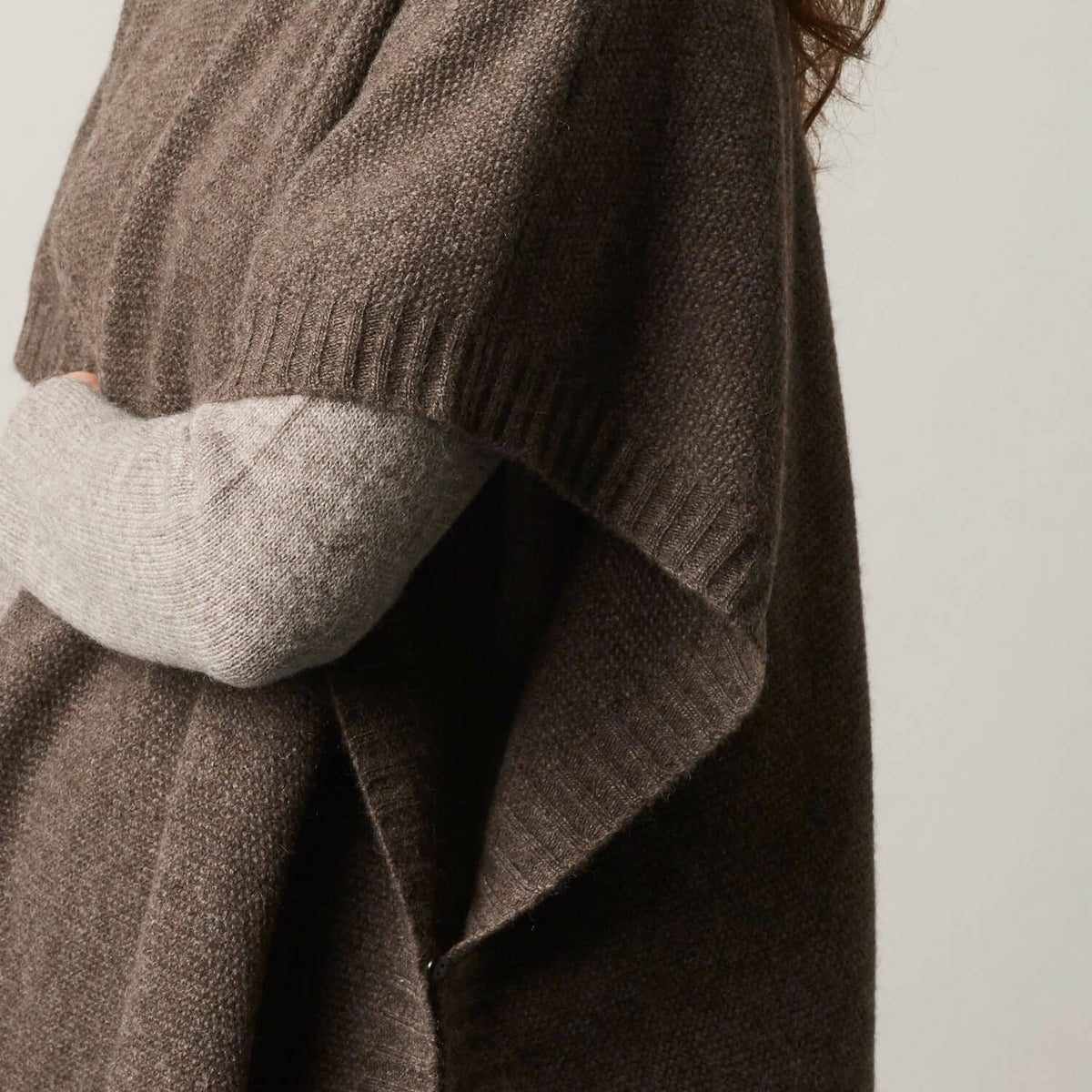
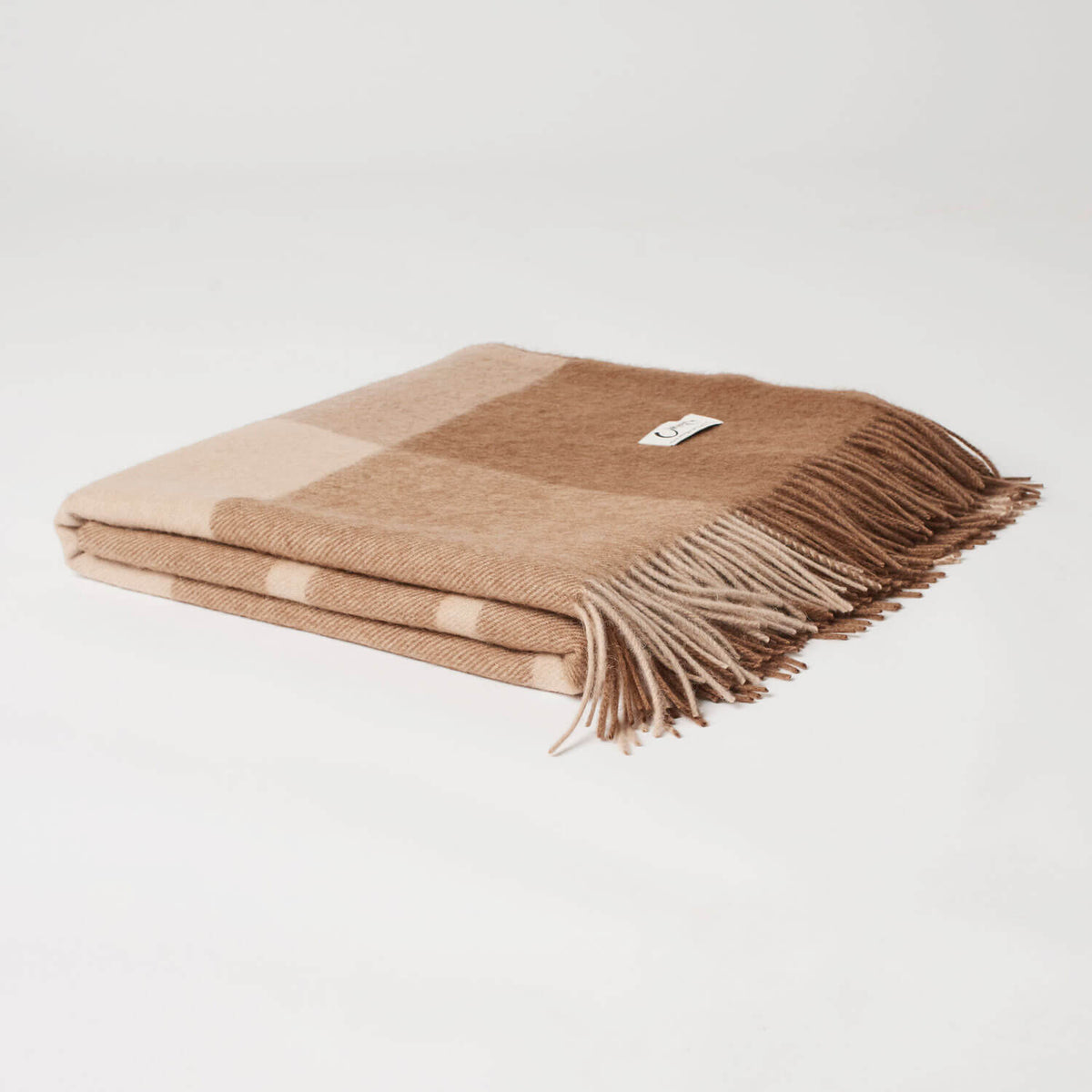



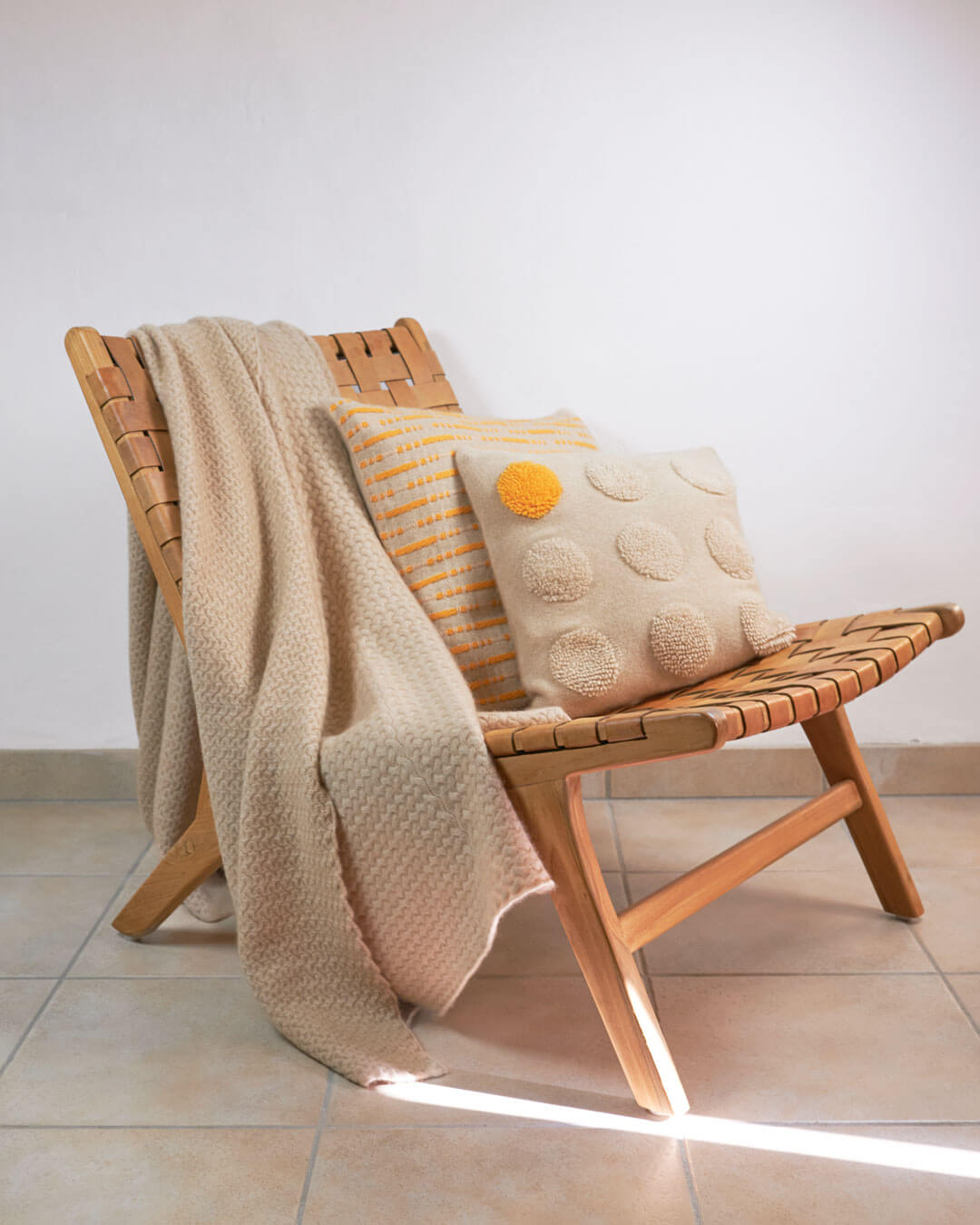


Welcome to a world of luxury, warmth and sustainability. In this blog post, we will delve into the unique properties of cashmere, camel and yak wool. We will explore how these wool types differ from regular wool and why they are so sought after. You will learn about their origins, production and benefits, as well as how you can choose the right wool type based on your personal preferences and needs.
See all our products in cashmere , yak wool and camel wool .
What is cashmere wool?
Cashmere wool comes from the cashmere goat, which is primarily found in Mongolia, China and India. The wool is produced by combing the goat, resulting in a mixture of coarse and fine hairs. The fine hairs, which are incredibly soft and lightweight, are separated and used to make cashmere products. Cashmere wool is known for its incredible softness, light weight and excellent insulating properties.
How does cashmere wool differ from regular wool?
Cashmere wool is much finer and softer than regular wool. It is also lighter and warmer, making it ideal for cold winter months. Due to the careful production and unique properties, cashmere wool is also more expensive than regular wool. This luxurious type of wool is therefore often associated with high quality and exclusivity.
What is camel wool?
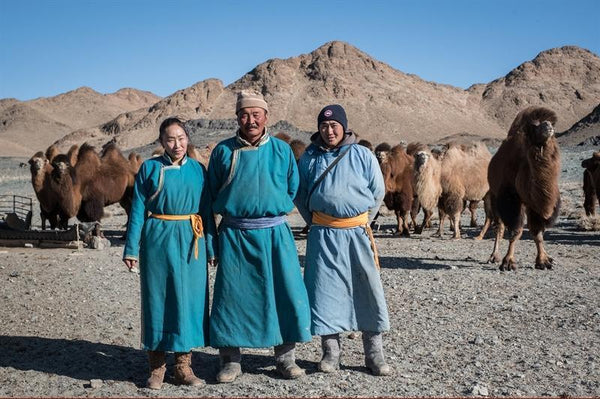
Camel wool comes from camels that live in the cold desert regions of Central Asia. The wool is harvested by shearing or combing the camel, and it is the fine, soft hairs closest to the body that are used to make camel wool. Camel wool is known for its warmth, durability, and ability to regulate body temperature.
How does camel wool differ from cashmere and regular wool?
Camel wool is thicker and more robust than cashmere wool, but still softer and warmer than regular wool. It is also more affordable than cashmere, making it a popular choice for those who want a mix of luxury and practicality.
What is yak wool?
Yak wool comes from yaks that live in the high altitudes of the Himalayas. The wool is harvested by combing the yak, and it is the fine, soft hairs closest to the skin that are used to make yak wool. Yak wool is known for its incredible warmth, softness, and durability.
How does yak wool differ from cashmere, camel and regular wool?
Yak wool is thicker and heavier than cashmere and camel wool, but it is also warmer and more durable. It is also rarer and therefore often more expensive. Yak wool is an excellent choice for those who want a type of wool that can withstand extreme weather conditions.
How do you choose between cashmere, camel and yak wool?
The choice between cashmere, camel and yak wool depends on your personal preferences and needs. If you value softness and lightweight warmth, cashmere is a good choice. If you want a mix of luxury and durability, camel wool is ideal. If you need maximum warmth and durability, yak wool is the right choice. Remember to look for products that are produced in a sustainable and ethical way.
Sustainability and ethics in the production of cashmere, camel and yak wool
The production of cashmere, camel and yak wool has environmental and ethical aspects. Overgrazing can cause desertification, and poor working conditions can be a problem. As a consumer, you can support sustainable and ethical production by buying from responsible producers and brands.
Cashmere, camel and yak wool are all unique types of wool that offer different levels of luxury, warmth and durability. By understanding their properties and origins, you can make informed choices and find the type of wool that best suits your needs. Remember to support sustainable and ethical production when purchasing these luxurious wool products.
