



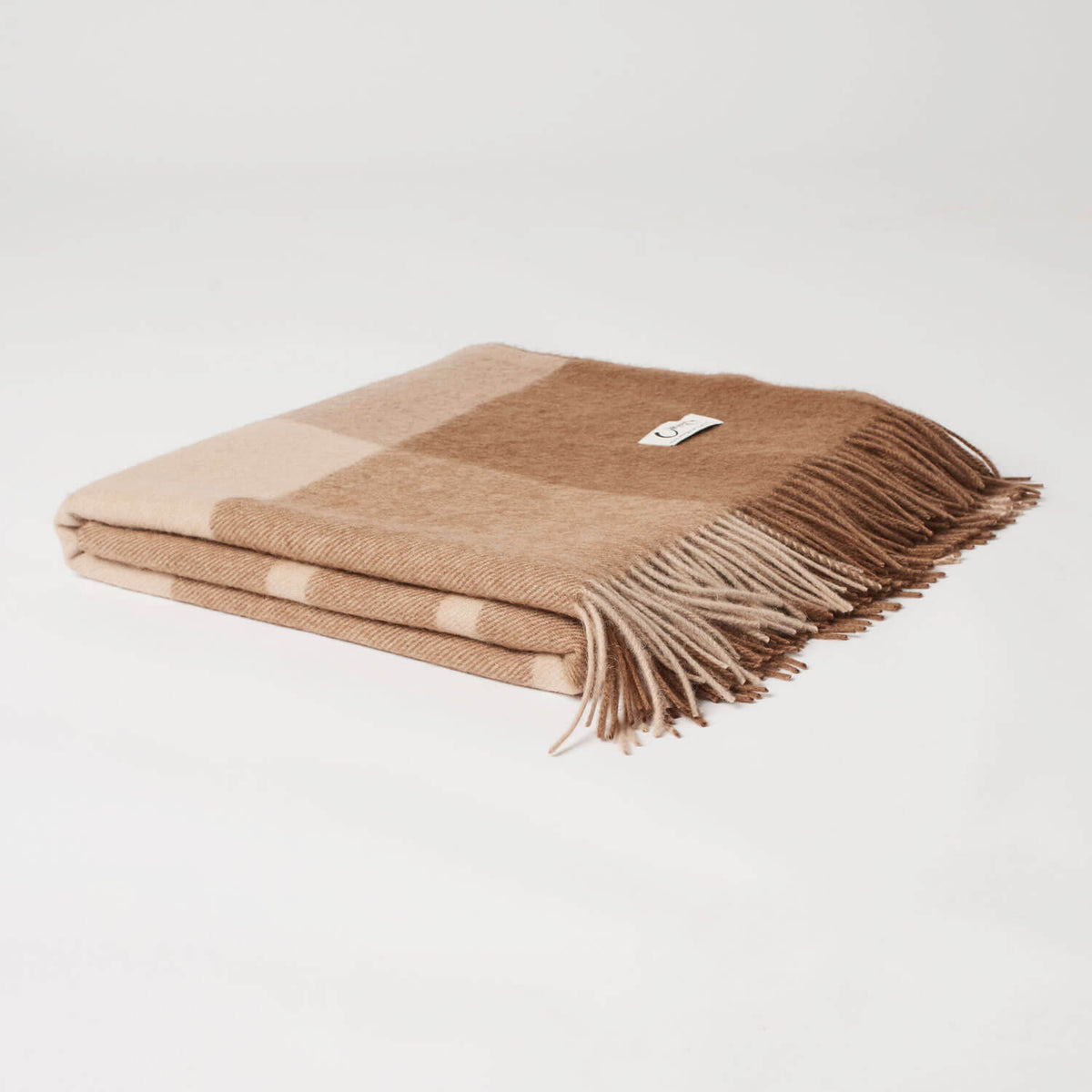






Are you one of those who loves the soft and luxurious feel of cashmere against your skin, but are worried about whether it can cause allergic reactions? In this blog post, we will explore what cashmere is, what causes allergies to clothing, and whether cashmere is hypoallergenic.

See all our beautiful cashmere products here .
What is cashmere?
Cashmere is a type of wool that comes from the cashmere goat, which lives in the harsh climates of Mongolia and China. It is known for its incredible softness and warmth. Unlike other types of wool, cashmere fibres are incredibly fine and soft, making it one of the most luxurious and sought-after textiles in the world.
What causes allergies to clothing?
Allergies occur when the body's immune system reacts to a substance it perceives as harmful. In the case of clothing, allergies can be caused by a number of factors, including chemicals used in production, dyes, and natural fibres. Some people may be allergic to wool, but it's important to note that wool allergies are actually quite rare.
Is cashmere hypoallergenic?
In general, cashmere is not known to be a strong allergen. In fact, it is often recommended for people with sensitive skin due to its softness. However, as with any natural fibre, it is possible for some people to have an allergic reaction to it. Research in the field is limited, but the few studies that have been conducted suggest that allergic reactions to cashmere are rare.
How can you minimize the risk of allergies when wearing cashmere?
To minimize the risk of allergies, it is important to choose high-quality cashmere. Cheaper cashmere may be mixed with other fibres that can cause allergic reactions. It is also important to wash cashmere properly to remove any residual chemicals from the production process.
Other considerations when choosing cashmere
In addition to hypoallergenicity, there are other factors to consider when choosing cashmere. Sustainability and animal welfare are important considerations, as the production of cashmere can have a significant environmental and ethical impact.
In summary, cashmere pullovers are generally not known to cause allergic reactions, but it is always best to choose high-quality cashmere and wash it properly to minimize the risk. Also remember to consider sustainability and animal welfare when choosing cashmere.
References
- "Kashmir: The Biogeography of the 'Cashmere' Trade" by R. Alton, Geographical Review, 2012.
- "Textile Dermatitis: Clinical Aspects and a Review of the Literature" by S. Jacob, Dermatitis, 2004.
- "Sustainable Cashmere? Understanding the Environmental Impact of the 'Diamond Fibre'" by S. Blythman, The Guardian, 2019.
